


What Safety Measures Should You Consider for Lower Units?
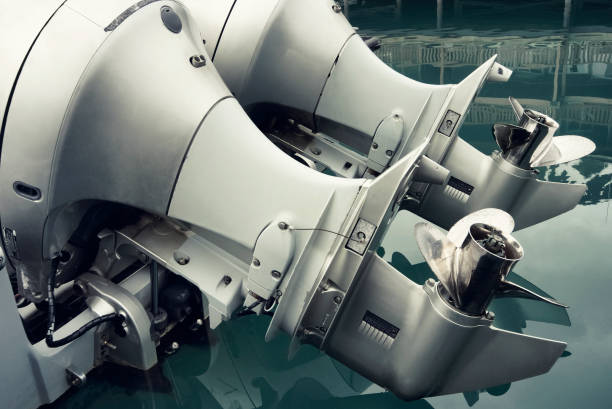
Essential Safety Measures for Your Boat's
Lower Unit
Your boat's lower unit does one critical job: transfer engine power to the propeller. When it fails, you're dead in the water—literally. But most lower unit failures are preventable with basic safety practices and regular attention.
Whether you're a weekend angler or a serious boater, understanding how to protect your lower unit will save you money, prevent breakdowns, and keep you safely on the water.
Why Lower Unit Safety Matters
A failing lower unit doesn't just ruin your day—it creates real safety risks:
Mechanical Failures Worn gears or damaged seals can cause complete breakdowns miles from shore. In rough water or high-traffic areas, this isn't just inconvenient—it's dangerous.
Expensive Repairs Neglecting basic maintenance often leads to catastrophic internal damage. At $2,000-$4,000 for dealer repairs, prevention is always cheaper than the cure.
Performance Loss A compromised lower unit reduces speed, increases fuel consumption, and makes handling unpredictable—all safety concerns when conditions change quickly.
Critical Safety Practices Every Boat Owner Should Follow
1. Watch for Warning Signs
Strange Noises Are Never Normal
- Grinding = worn gears or debris
- Whining = low gear oil or bearing failure
- Rattling = loose components or propeller damage
- Clicking during shifts = clutch or shift mechanism problems
Never ignore unusual sounds. They're your lower unit telling you something's wrong before it becomes catastrophic.
2. Check Gear Oil Religiously
Your lower unit's gear oil is its lifeblood. Check it regularly:
What to Look For:
- Milky or cloudy oil = water intrusion (seal failure)
- Metal flakes = internal wear
- Low level = leak somewhere
When to Change:
- At least annually
- After any impact with underwater obstacles
- Anytime you see contamination
Use only manufacturer-recommended gear oil. Cheap substitutes will cost you more in damage than you save.
3. Inspect Seals and Prevent Water Intrusion
Water in your gearcase destroys gears, bearings, and shafts in hours of operation. The seals are your only defense:
- Check propeller shaft seals for cracks or displacement
- Inspect upper and lower gearcase seals during oil changes
- Replace worn seals immediately—they're cheap insurance
Pro Tip: If you see water in your gear oil, stop running the motor and address it immediately. Every hour of operation with water contamination causes exponential damage.
4. Protect Against Impact Damage
Rocks, logs, sandbars, and debris are the #1 cause of catastrophic lower unit damage:
Prevention Strategies:
- Use depth finders and GPS in unfamiliar waters
- Follow marked channels and navigation aids
- Install a skeg guard for added protection
- Stay alert in shallow areas
If You Hit Something: Immediately check for damage, vibration, and leaks. Even minor impacts can crack gearcases or knock gears out of alignment.
5. Maintain Your Propeller
A damaged propeller creates vibrations that destroy lower unit bearings and gears:
- Inspect for bent blades, chips, or cracks
- Remove fishing line wrapped around the shaft (it damages seals)
- Replace damaged props immediately—don't wait
6. Winterization Is Non-Negotiable
If you store your boat seasonally:
Critical Steps:
- Drain ALL water from the lower unit (freezing water cracks housings)
- Remove propeller and inspect for debris/fishing line
- Check seals while propeller is off
- Store in a dry, controlled environment when possible
- Apply corrosion protection to external surfaces
Common Safety Mistakes That Destroy Lower Units
Ignoring Problems "It's making a noise but still runs" is how $500 problems become $3,000 catastrophes.
Skipping Professional Service Some tasks—like pressure testing gearcases or aligning drive shafts—require professional equipment and expertise.
Overloading Your Boat Excessive weight creates heat and strain. Follow your boat's rated capacity.
Using Wrong or Cheap Lubricants Your lower unit operates under extreme pressure. Use the specified gear oil or pay for new gears.
When Replacement Makes More Sense Than Repair
Sometimes the safest decision is replacing a compromised lower unit:
Replace When:
- Multiple internal components are damaged
- Water intrusion has caused extensive corrosion
- The unit has high hours and showing multiple warning signs
- Repair costs exceed 60% of replacement cost
Modern aftermarket lower units offer:
- ✅ Brand new gears, bearings, and seals (not "maybe repaired" parts)
- ✅ 3-year fault-free warranties (better than most rebuilds)
- ✅ 50-70% savings vs. OEM dealer prices
- ✅ Complete assemblies ready to install
Emergency Preparedness
Always Carry:
- Spare gear oil and funnel
- Basic tools (propeller wrench, screwdrivers, pliers)
- Emergency contact numbers
- Extra seals if you're going on extended trips
Know the Signs of Immediate Danger:
- Sudden loss of power
- Excessive vibration
- Grinding noises
- Overheating
- Loss of steering control
If you experience any of these, shut down immediately and assess the situation. Running a damaged lower unit makes the damage exponentially worse.
Shop Quality Replacement Lower Units
Browse our complete selection of aftermarket lower units with 3-year fault-free warranties:
➤ Yamaha Lower Units - All models 50-300HP
➤ Mercury Lower Units - Complete range available
➤ Suzuki Lower Units - Direct OEM fit
➤ Johnson/Evinrude Lower Units - V4 & V6 engines
Need Expert Advice?
Our marine specialists can help you:
- Diagnose unusual noises or performance issues
- Determine if repair or replacement makes more sense
- Confirm the right lower unit for your specific motor
- Answer technical questions about maintenance
Call us: 888-812-6287
The Bottom Line
Lower unit safety isn't complicated—it's about paying attention, addressing problems early, and following basic maintenance practices. An hour of prevention beats days of repairs and the expense that comes with them.
Take care of your lower unit and it'll take care of you when you need it most.