


Top 10 Essential Marine Products Every Boater Needs
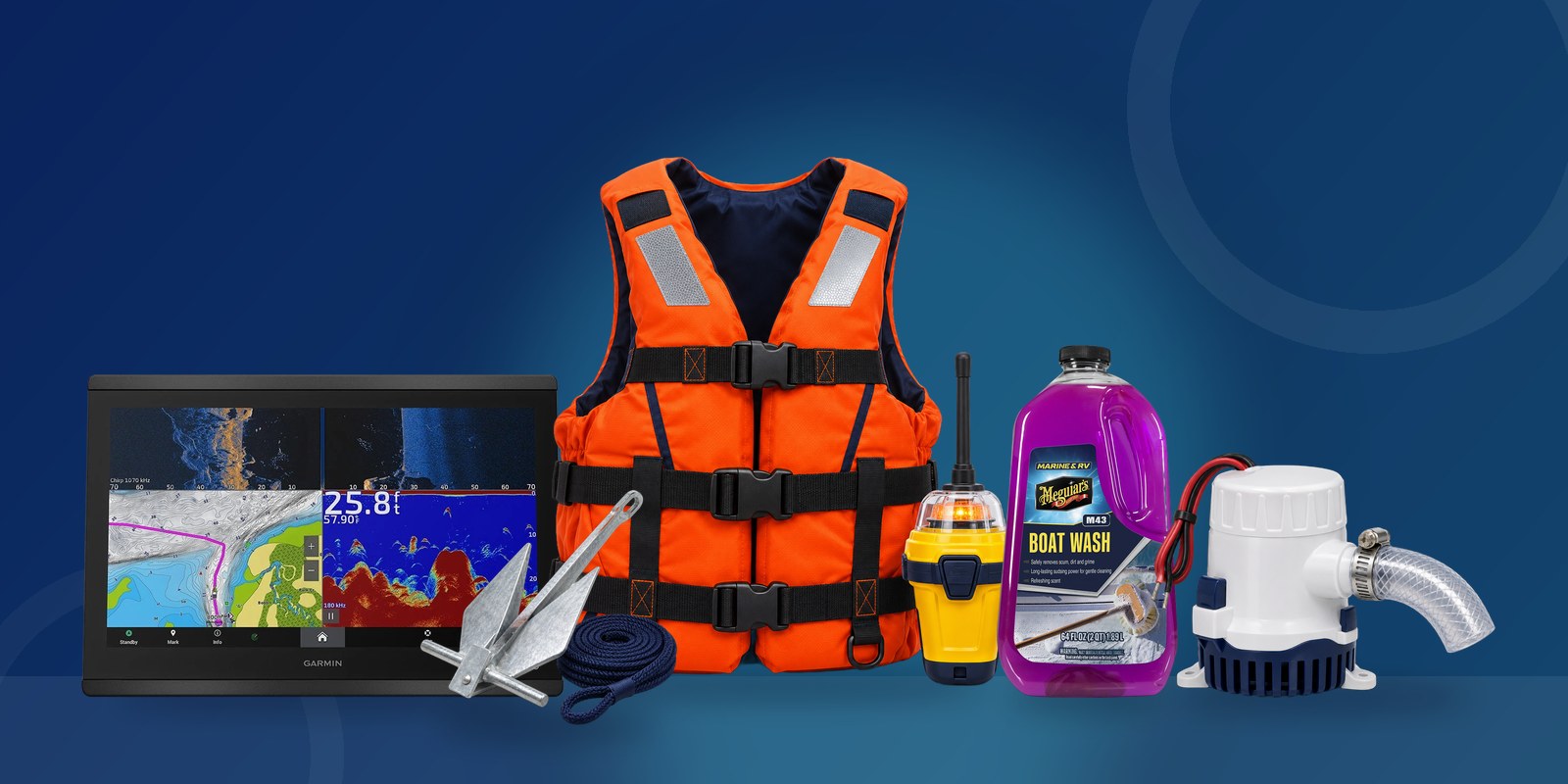
What do you actually need on a boat? Whether you're a new boater putting together your first gear list or you've been on the water for years, the right boating essentials make every trip safer, easier and more enjoyable. Some items are required by law, some protect your investment, and some simply save the day when something goes wrong.
Below are the 10 essential marine products every boater should have on board, what to look for in each, a list of must-have boat accessories, and a complete boat equipment checklist you can use before every launch.
Boating essentials at a glance
- Life jackets
- VHF marine radio
- Bilge pump
- Anchor and rode
- Dock lines and fenders
- Fire extinguisher and distress signals
- Fishfinder or chartplotter
- Marine battery and charger
- Cleaning and protection products
- Spare parts and tool kit
The 10 boating essentials every boater needs
01Life jackets for everyone on board
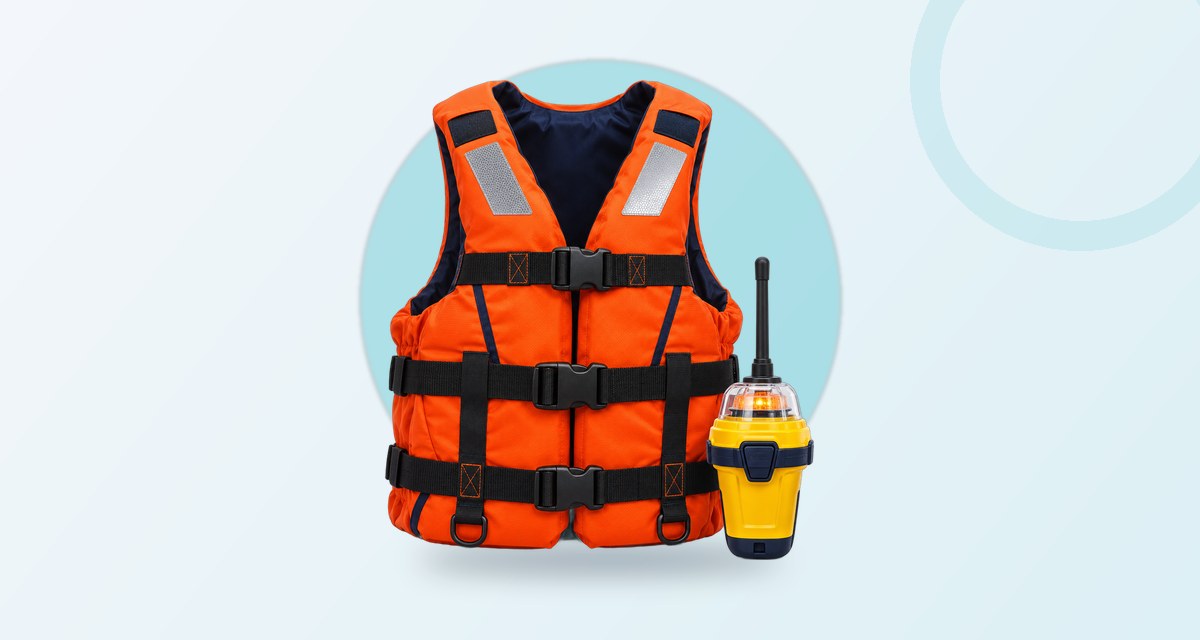
Why you need it: Life jackets are the single most important piece of safety gear on any boat, and they are required by law. Most boating drownings involve people who were not wearing one.
What to look for
- U.S. Coast Guard-approved, properly sized for each person, including children
- Comfortable styles people will actually wear, such as inflatable or vest types for adults
- A throwable flotation device on boats 16 feet and longer
- Check straps, buckles and inflation cartridges every season
02VHF marine radio
Why you need it: Cell phones often lose signal on the water. A VHF radio lets you reach the Coast Guard, marinas and nearby boats, and receive weather alerts.
What to look for
- Fixed-mount for the helm, or a waterproof handheld as a backup
- DSC (Digital Selective Calling) to send a distress alert with your position
- A floating handheld if you boat in small open boats or kayaks
03Bilge pump with a float switch
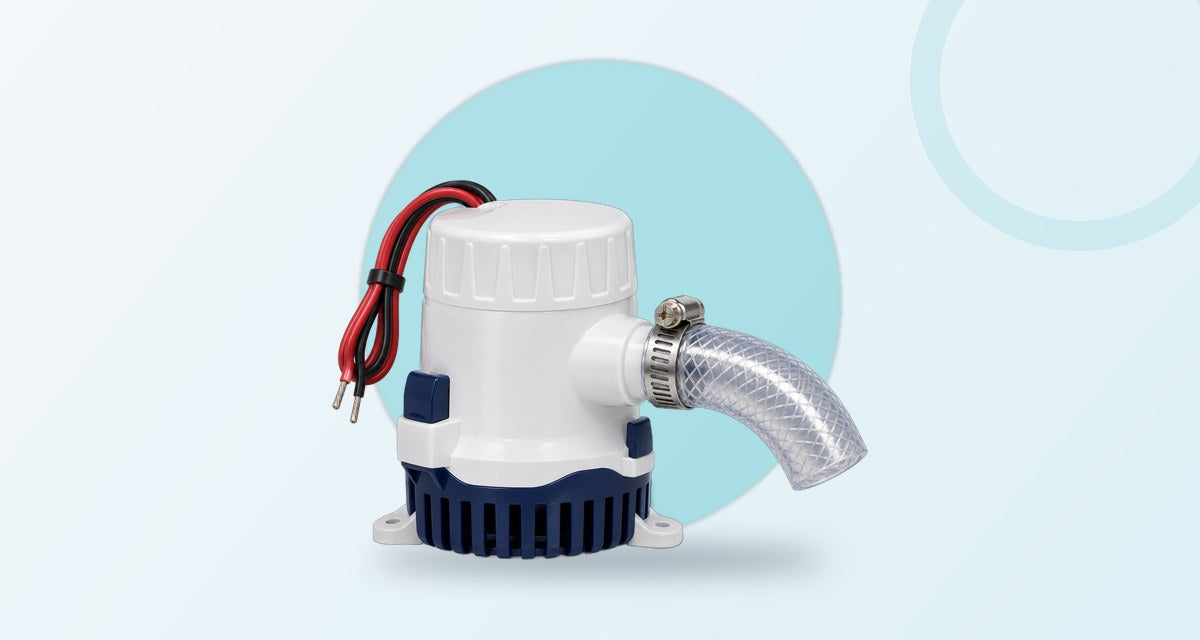
Why you need it: A working bilge pump removes water from rain, spray or a small leak before it becomes a serious problem. Many boats sink at the dock because of a failed pump.
What to look for
- A pump sized for your boat, measured in GPH (gallons per hour)
- An automatic float switch so it runs when you are not aboard
- A backup manual pump or bailer
- Test it at the start of every season and keep the bilge clean
04Anchor and anchor rode
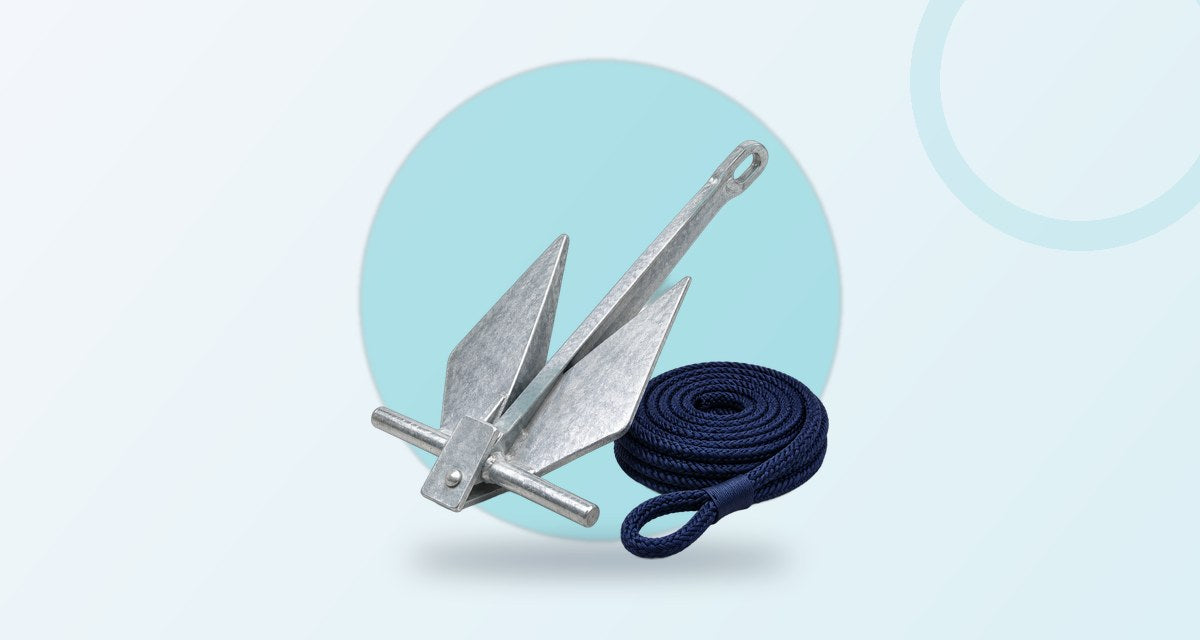
Why you need it: An anchor keeps you safe if the engine quits, and lets you stop to fish, swim or wait out bad weather.
What to look for
- An anchor type and size matched to your boat and the bottom you anchor on
- Enough rode (line and chain) for the depths you boat in
- A short length of chain at the anchor helps it set and protects the line
- Anchor roller or proper storage so it is ready to deploy quickly
05Dock lines and fenders
Why you need it: Good lines and fenders protect your boat's hull and gelcoat every time you dock, raft up or tie up at the fuel dock.
What to look for
- Nylon dock lines for stretch and shock absorption, sized for your boat
- At least four lines: bow, stern and two spring lines
- Fenders sized for your boat's length
- Replace lines that are stiff, frayed or sun-damaged
06Fire extinguisher and distress signals
Why you need it: Fuel and electrical fires happen fast. Most motorboats must carry a fire extinguisher, and coastal boaters must carry visual distress signals.
What to look for
- A marine-rated fire extinguisher, in date and fully charged, mounted where you can reach it
- Visual distress signals such as flares or an approved electronic signal for coastal waters
- A horn or whistle
- Check the current U.S. Coast Guard and state requirements for your boat
07Fishfinder or chartplotter

Why you need it: Knowing your depth and position helps you avoid shallows and get home safely, and makes finding fish much easier.
What to look for
- A combo unit with CHIRP sonar and GPS for most fishing boats
- Charts or lake maps that cover the waters you use
- A screen size that fits your helm and is readable in sunlight
- Room to expand later with a second display or a trolling motor
08Marine battery, charger and battery switch
Why you need it: A dead battery can leave you stranded. A healthy battery and a way to keep it charged are essential for starting, electronics and pumps.
What to look for
- A marine starting, deep-cycle or dual-purpose battery suited to your boat
- An onboard or portable charger
- A battery switch to isolate batteries when you leave the boat
- Clean, tight terminals and secured battery boxes
09Boat cleaning and protection products
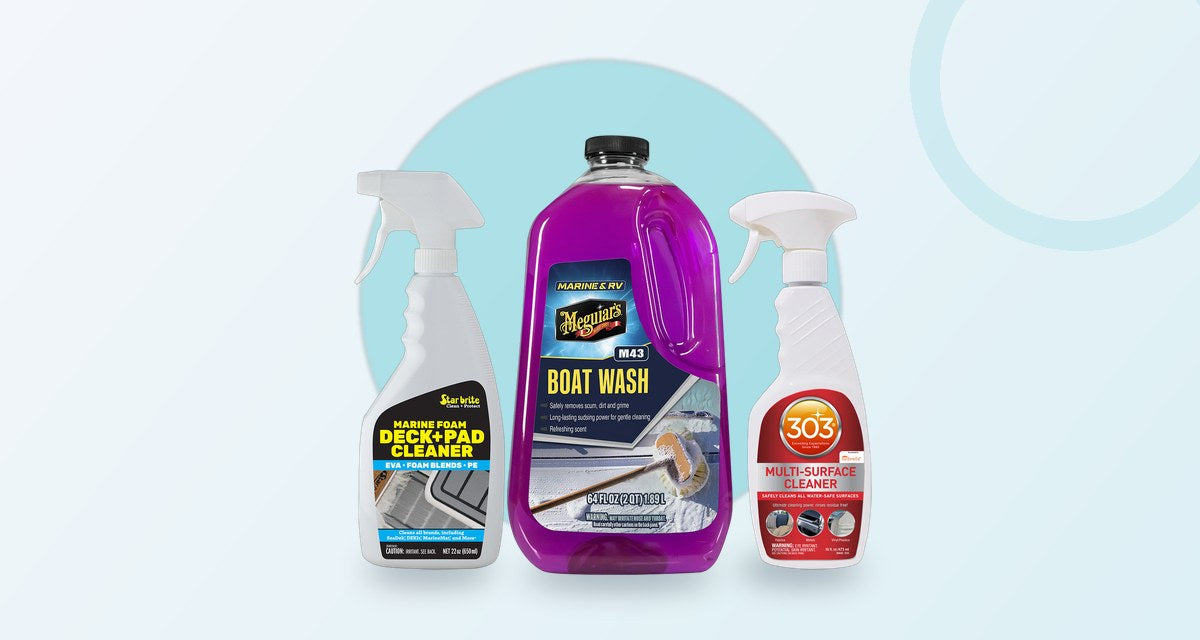
Why you need it: Sun, salt and grime dull gelcoat and crack vinyl. Regular cleaning and protection keep your boat looking good and protect its value.
What to look for
- A marine boat wash (not dish soap, which strips wax)
- Marine wax or polish for gelcoat
- Vinyl cleaner and UV protectant for seats and covers
- Stain and mildew removers made for boats
10Spare parts and a basic tool kit
Why you need it: Small failures end trips. A few spares and tools can turn a ruined day into a quick fix on the water.
What to look for
- Spare drain plug, fuses, bulbs and hose clamps
- Spare propeller and prop hardware (nut, washer and cotter pin)
- Basic tools, electrical tape and a multi-tool
- Engine essentials recommended in your owner's manual, such as a spare water pump impeller
What is the most important piece of equipment on a boat?
The life jacket. It is the one item that can save a life when everything else goes wrong, and it only works if it is on board, properly sized and ideally worn. After life jackets, the most important safety equipment is a way to call for help (a VHF radio), a working bilge pump, a fire extinguisher and visual distress signals.
Boating essentials for beginners and new boat owners
If you just bought your first boat, start with what keeps you legal and safe, then add comfort and convenience. A simple order of priority:
- Required safety gear: life jackets, throwable device, fire extinguisher, distress signals, horn and working navigation lights.
- Protecting the boat: bilge pump, dock lines, fenders and an anchor.
- Getting home safely: VHF radio, GPS or chartplotter, and a healthy battery.
- Keeping it running and looking good: spare parts, tools and boat care products.
Take a boating safety course and check your state's boater education requirements before your first trip.
Must-have boat accessories (beyond the basics)
Once the essentials are covered, these accessories make days on the water more comfortable:
Boat cover
Protects upholstery, electronics and gelcoat from sun, rain and debris.
Bimini top or shade
Keeps the crew cool and reduces sun exposure on long days.
Rod holders
Keep rods secure and ready when you fish.
Cooler
Food and drinks for the day; pick a size that fits your deck.
Waterproof dry bag
Keeps phones, keys and wallets dry.
Trolling motor
Quiet, precise control for fishing; see our trolling motors.
Boarding ladder
Makes getting back aboard from the water easier and safer.
Cup holders and storage
Keep small items secure underway.
For hardware and accessory buying tips, see our guide Choosing the Right Marine Accessories for Your Boat.
Complete boat equipment list
Use this boat essentials list as a quick reference when outfitting your boat:
| Category | Equipment |
|---|---|
| Required safety gear | Life jackets for everyone, throwable device, fire extinguisher, visual distress signals, horn or whistle, navigation lights |
| Safety and backup gear | First-aid kit, VHF radio, waterproof flashlight, manual bilge pump or bailer, paddle, spare dock line, EPIRB or PLB for offshore |
| Anchoring and docking | Anchor, chain and rode, dock lines, fenders, boat hook |
| Navigation and electronics | Fishfinder or chartplotter, charts for your waters, VHF radio, phone mount and charger |
| Electrical | Marine battery, charger, battery switch, spare fuses and bulbs |
| Spares and tools | Drain plug, propeller and prop hardware, hose clamps, tool kit, electrical tape, spare impeller |
| Care and maintenance | Boat wash, wax, vinyl protectant, stain remover, boat cover, winterization supplies |
| Comfort | Sunscreen, drinking water, cooler, shade, dry bag |
✓ Before-you-launch checklist
- Life jackets for everyone, and a throwable device
- Bilge pump tested and drain plug installed
- Fire extinguisher charged and within reach
- Battery charged, lights and horn working
- Anchor, lines and fenders on board
- Fuel checked, and someone on shore knows your plan
Boating essentials FAQ
What do you need on a boat?
At minimum: a properly sized life jacket for everyone on board, a throwable flotation device (on boats 16 feet and longer), a fire extinguisher, visual distress signals for coastal waters, a horn or whistle and working navigation lights. Most boaters also carry an anchor, dock lines, a bilge pump, a VHF radio and basic spares.
What safety equipment is required on a boat?
Requirements depend on your boat's length, type and where you operate. Common U.S. Coast Guard requirements include life jackets, a throwable device, fire extinguishers on most motorboats, visual distress signals on coastal waters, a sound-producing device and navigation lights. Always check current federal and state rules for your boat.
What should a new boat owner buy first?
Start with required safety gear, then a bilge pump, dock lines, fenders and an anchor. Next add a VHF radio, a GPS or fishfinder, and a reliable battery and charger. Comfort accessories can come later.
What backup or emergency gear should I keep on a boat?
A first-aid kit, waterproof flashlight, manual bilge pump or bailer, paddle, spare drain plug, spare fuses, a spare propeller with hardware, extra dock line and a handheld VHF. Offshore boaters should also consider an EPIRB or PLB.
Need help choosing the right gear?
Tell us about your boat and how you use it, and our marine parts team will help you find the right products.