


Choosing the Right Marine Accessories for Your Boat
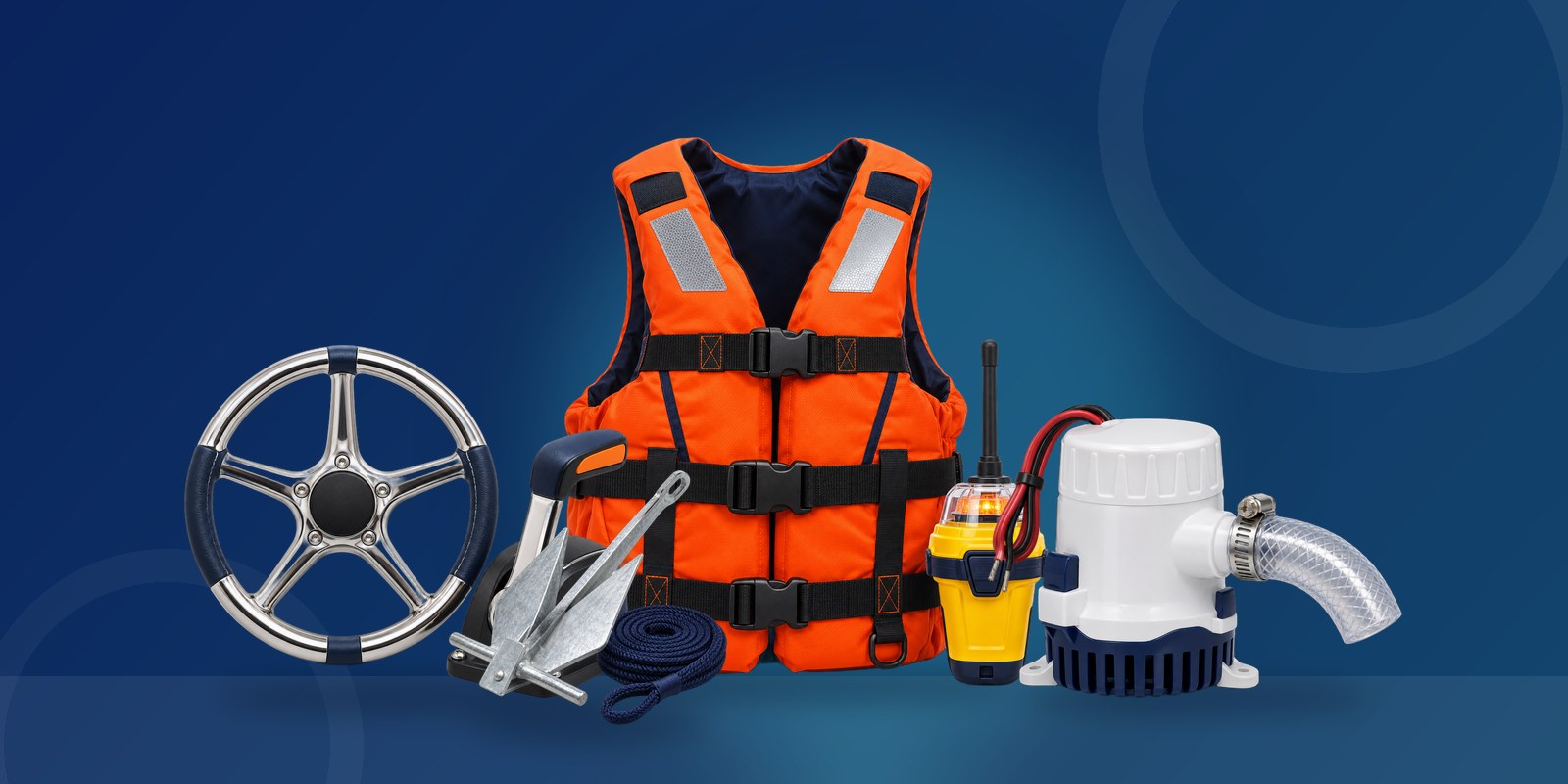
The right marine accessories make your boat safer, easier to handle and more comfortable to spend a day on. With thousands of options, from cleats and handrails to rod holders and ladders, it's easy to buy the wrong size or a material that won't last on the water. This guide walks you through the main accessory categories and what to check before you order.
In this guide
1. Safety accessories · 2. Anchoring & docking · 3. Deck hardware · 4. Fishing & comfort · 5. Steering & controls · 6. Bilge & electronics · Materials · Installation · Checklist
1Start with safety accessories
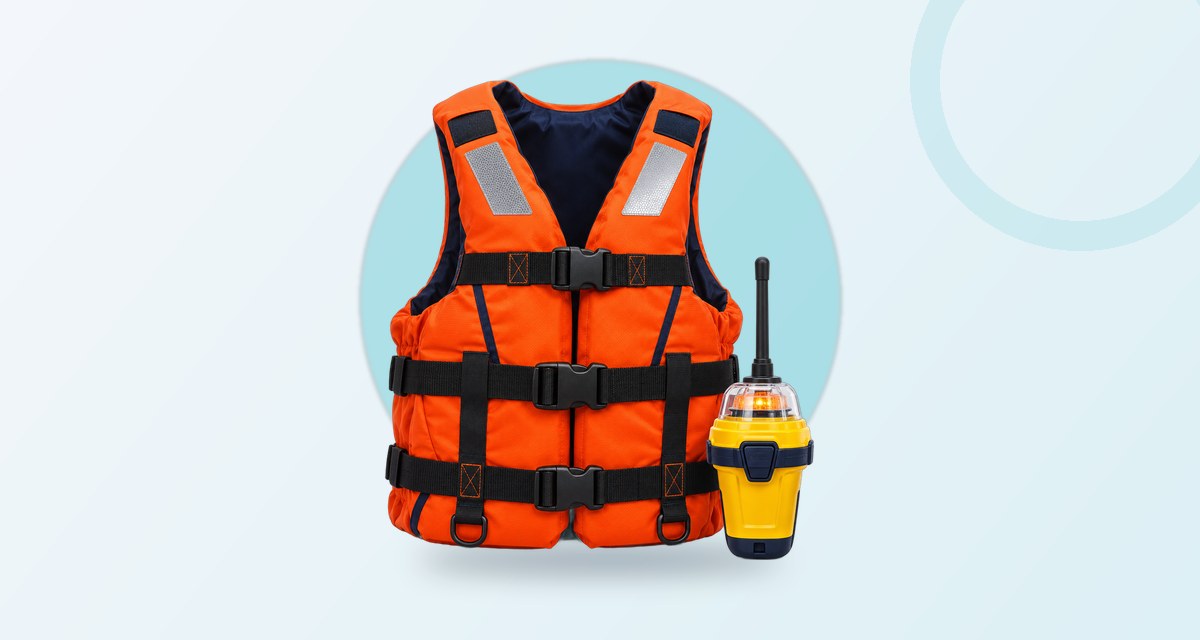
Safety comes first, and some equipment is required by law. Before adding comfort upgrades, make sure your boat has:
- A U.S. Coast Guard-approved, properly sized life jacket for every person on board
- A throwable flotation device (required on boats 16 feet and longer)
- A fire extinguisher suited to your boat, in date and charged
- Visual distress signals for coastal waters, and a horn or whistle
- Working navigation lights
- A first-aid kit; offshore boaters should also consider an EPIRB or PLB
2Anchoring and docking gear
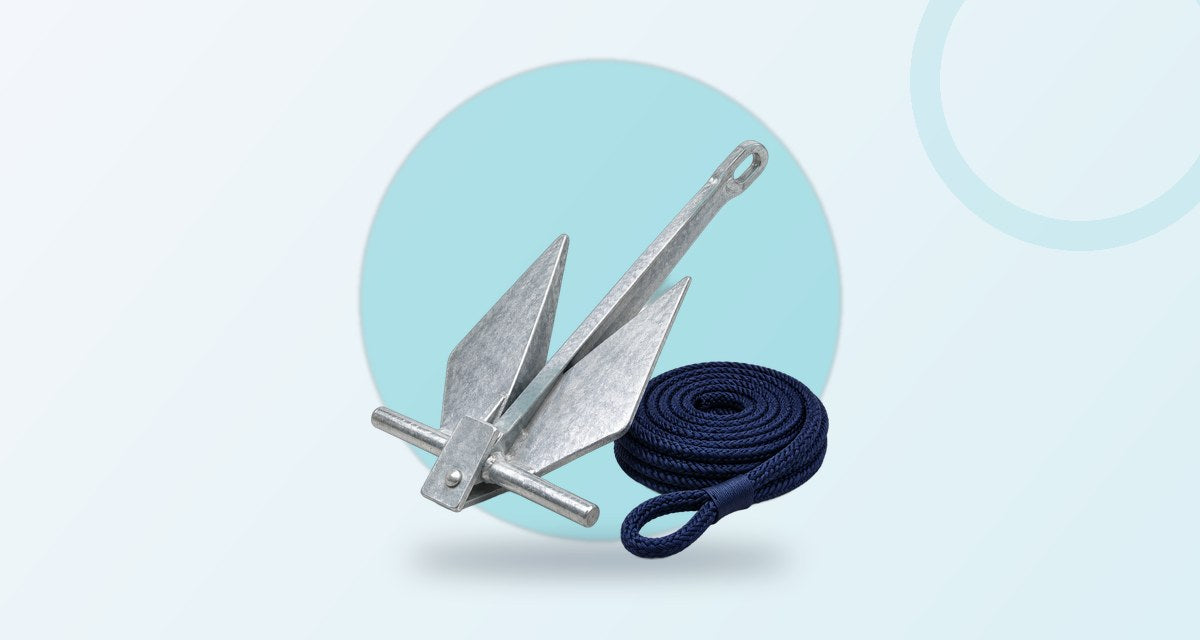
Anchor
Choose a type and size for your boat's length and weight and the bottom you anchor on: sand, mud, rock or grass.
Anchor rode
Enough line and chain for the depths you usually boat in.
Anchor roller & bracket
Make deploying and retrieving the anchor easier and protect the bow.
Cleats & bollards
Size them to your dock lines. A common rule of thumb is about 1 inch of cleat length per 1/16 inch of line diameter.
Dock lines & fenders
Sized for your boat, and replaced when frayed or sun-damaged.
3Deck hardware
Deck hardware takes the most abuse from sun, salt and constant use. Common upgrades and replacements include:
Handrails & grab handles
Safe footing when boarding and moving around the deck.
Hinges, latches & lift handles
For hatches, lockers and seat lids.
Vents
Keep air moving through cabins and compartments to reduce moisture and mildew.
Ladders & platforms
Make getting back aboard from the water easier and safer.
Flag poles & brackets
For ensigns and courtesy flags.
Marine fasteners
Use marine-grade screws, bolts and nuts that match the hardware's material.
4Fishing and comfort accessories
- Rod holders: flush-mount, clamp-on or rail-mount, depending on your boat and how you fish.
- Cup holders and organizers: keep drinks, phones and small gear secure underway.
- Seating, cushions and shade: make longer days on the water more comfortable.
- Coolers: choose a size that fits your boat's available space.
5Steering and controls
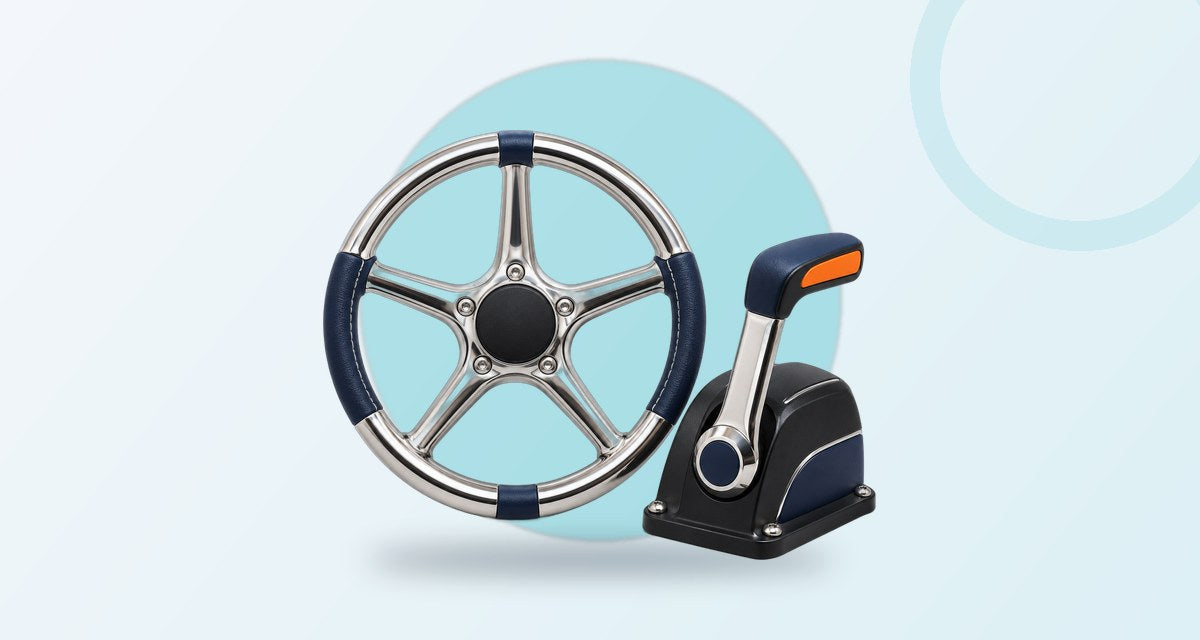
A worn steering wheel, stiff cable or sticky control makes your boat harder and less safe to handle. When replacing a steering wheel, match the hub and shaft type to your helm. Inspect steering cables and hydraulic lines at the start of every season, and make sure the engine only starts in neutral.
6Bilge pumps and electronics
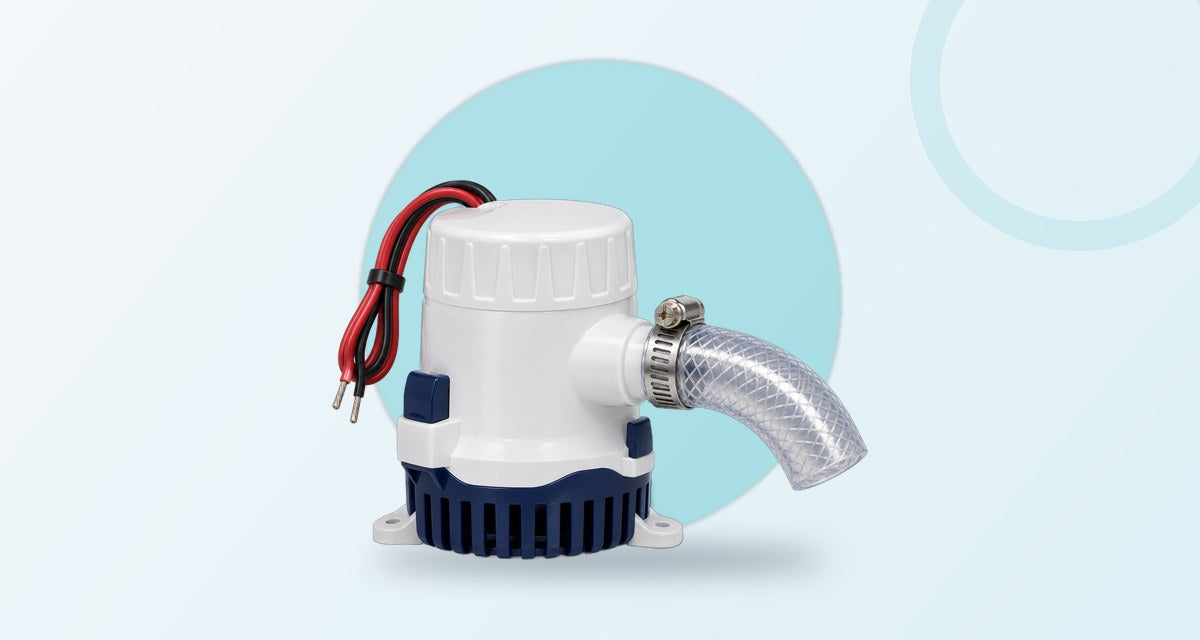
A reliable bilge pump with a float switch is one of the most important accessories on any boat. Test it before every season. A fishfinder, chartplotter or combo unit helps you navigate and find depth changes, and a VHF radio is a key safety tool. Choose electronics that fit your helm and can be expanded later.
Choosing the right material
Material matters as much as the accessory itself, especially in salt water.
| Material | Best for | Keep in mind |
|---|---|---|
| 316 stainless steel | Saltwater use, cleats, rails, ladders | Best corrosion resistance; higher price |
| 304 stainless steel | Freshwater boats, interior hardware | More prone to surface rust in salt water |
| Chrome-plated brass/zinc | Decorative and protected areas | Plating can wear over time |
| Marine nylon / plastics | Vents, cup holders, light-load parts | Choose UV-stabilized versions for sun exposure |
Installation tips
- Through-bolt load-bearing hardware such as cleats, handrails and ladders, and use backing plates to spread the load.
- Seal every hole with a marine sealant to keep water out of the deck core.
- Check the space underneath before you drill, and measure twice.
- Follow the manufacturer's installation instructions and load ratings.
✓ Quick buying checklist
- Does it fit your boat's size and the space available?
- Is the material suited to fresh or salt water?
- Do the mounting holes, hub or shaft match the part you're replacing?
- Is it rated for the load it will carry?
- Do you have the right fasteners, backing plates and sealant?
Need help finding the right part?
Send us a photo and measurements of the part you're replacing and our marine parts team will help you find the right fit.