


How to Choose a Minn Kota Trolling Motor: Complete Buying Guide
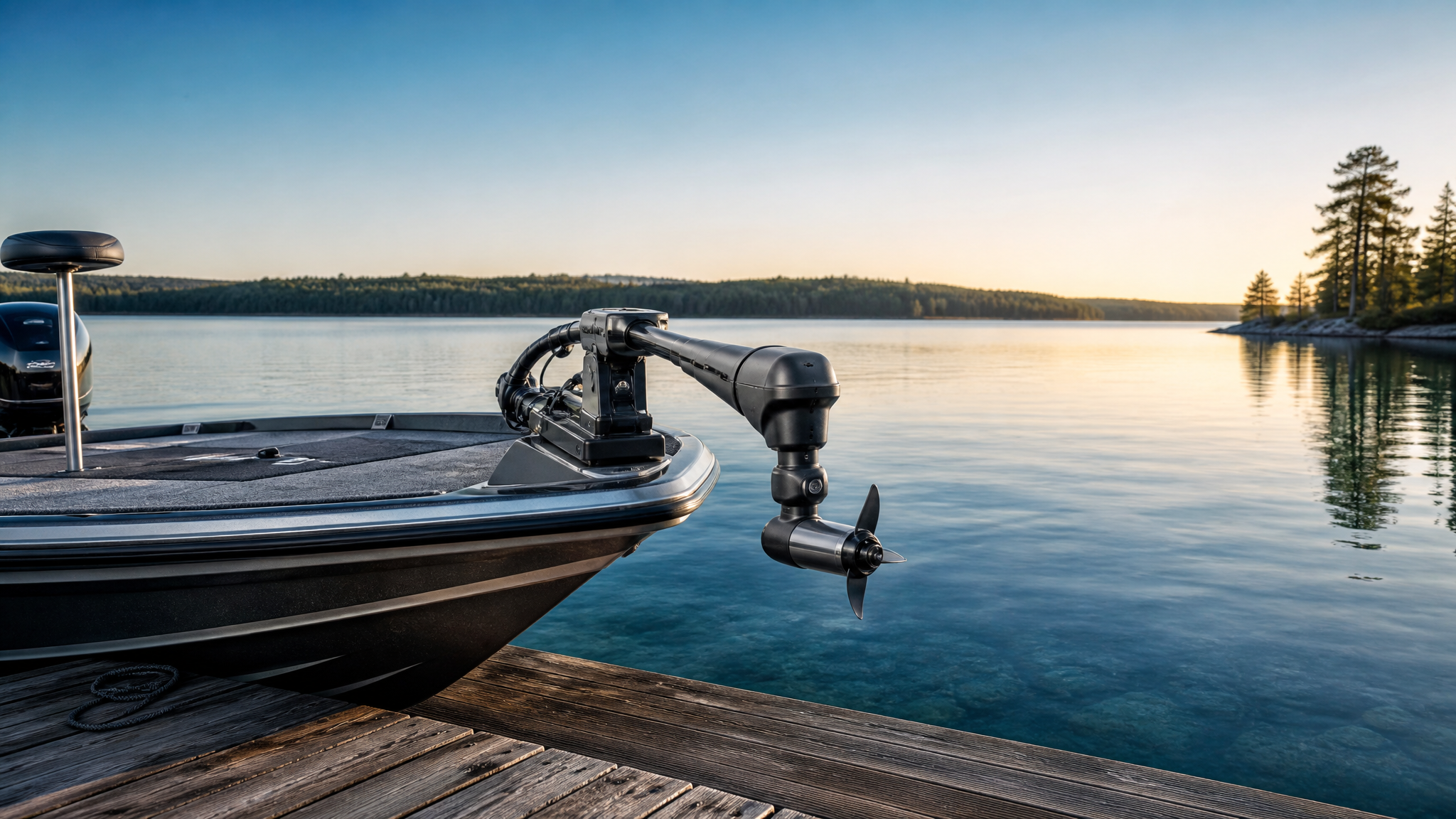
Minn Kota Trolling Motor Buying Guide
How to Choose a Minn Kota Trolling Motor
Choosing the right Minn Kota trolling motor starts with understanding your boat, fishing environment and preferred control system. Water type, mounting position, fully loaded boat weight, required thrust, battery voltage, shaft length and control technology can all influence which Minn Kota motor is right for your application.
Quick Answer: How Do You Choose a Minn Kota Trolling Motor?
To choose a Minn Kota trolling motor, work through these seven decisions:
- Choose freshwater or saltwater construction.
- Select bow, transom or engine mounting.
- Calculate the boat’s fully loaded operating weight.
- Select the required trolling motor thrust.
- Confirm the required battery-system voltage.
- Measure for the correct Minn Kota shaft length.
- Compare steering, GPS and control features.
1. Start with Freshwater or Saltwater
Your operating environment should be one of the first decisions in the Minn Kota trolling motor selection process. A motor designed for freshwater may use different materials, finishes and corrosion protection than a trolling motor intended for saltwater and brackish-water applications.
Minn Kota Freshwater Trolling Motors
Minn Kota freshwater trolling motors are designed for inland lakes, reservoirs and freshwater rivers. Depending on the motor family, freshwater options can include bow-mount and transom-mount configurations, multiple thrust ratings, different shaft lengths and a variety of steering and control systems.
Minn Kota Riptide Saltwater Trolling Motors
Boaters operating in saltwater, coastal or brackish-water environments should consider a saltwater-rated Minn Kota Riptide trolling motor. Riptide motors are designed with the marine environment and corrosion resistance in mind.
A freshwater trolling motor with sufficient thrust should not automatically be considered suitable for saltwater operation. Water-type suitability and thrust capacity are separate buying decisions. You can compare currently available Minn Kota trolling motors before selecting a freshwater or saltwater motor family.
2. Choose the Right Mounting Style
Mounting position affects boat control, installation requirements and how the trolling motor is operated. Minn Kota trolling motors are commonly grouped into bow-mount, transom-mount and engine-mount configurations.
Bow-Mount Trolling Motors
A bow-mount trolling motor pulls the boat through the water and is often selected by anglers who prioritize precise steering, boat positioning and advanced control features. Before purchasing, check bow-deck space, mounting strength, wiring access and clearance for deploying and stowing the motor.
Transom-Mount Trolling Motors
A transom-mount trolling motor attaches at the stern and can provide a straightforward option for smaller fishing boats, tenders, utility boats and portable boating applications.
Engine-Mount Trolling Motors
Engine-mount trolling motors install around or near the boat’s propulsion system. They may suit boaters who want to preserve usable space on the bow or transom, subject to boat and engine compatibility.
3. Calculate the Boat’s Fully Loaded Weight
Boat length alone does not provide enough information to choose a trolling motor. A better Minn Kota trolling motor buying process considers the boat’s realistic operating weight.
Include the estimated weight of:
- The boat hull and permanently installed equipment
- The outboard engine and fuel
- Trolling motor and starting batteries
- Passengers and personal equipment
- Fishing tackle, coolers and safety gear
- Water carried in livewells or onboard tanks
Wind, current, waves, aquatic vegetation and high-sided hulls can increase the amount of trolling motor thrust needed for effective boat control. Avoid choosing a motor based only on the boat’s empty published weight.
4. Select the Appropriate Trolling Motor Thrust
Trolling motor thrust is normally expressed in pounds and represents the motor’s rated pushing force. Heavier boats and more demanding conditions generally require greater control authority.
Thrust is not the same as horsepower, and additional thrust does not automatically produce a proportional increase in boat speed. Actual performance can also be affected by hull resistance, propeller condition, battery charge, wiring quality, load distribution, wind and current.
Allow for Real Operating Conditions
Two boats with the same length can have different operating weights, hull designs and wind resistance. Use boat length as a reference, but base the final Minn Kota thrust selection on loaded weight and expected conditions.
5. Match the Motor with the Correct Voltage System
Minn Kota trolling motors may require a 12V, 24V or 36V electrical system, depending on the exact motor model and thrust rating. The required voltage determines the general battery-bank arrangement.
| Motor System | General Battery Setup | Planning Considerations |
|---|---|---|
| 12V | One compatible 12V battery | Battery location, charging, wiring and circuit protection |
| 24V | Two compatible 12V batteries connected as specified | Additional battery weight, space and charging requirements |
| 36V | Three compatible 12V batteries connected as specified | Greater battery space, weight and system complexity |
Always match the voltage specified for the selected trolling motor. The battery chemistry, capacity, marine wiring, breaker, connectors and charging system must also be compatible with the motor and current manufacturer instructions.
Never connect a trolling motor to a battery-system voltage that differs from the voltage specified for that motor.
6. Measure for the Correct Minn Kota Shaft Length
Correct Minn Kota shaft length helps keep the motor’s lower unit and propeller adequately submerged during normal operation. A shaft that is too short may allow the propeller to approach or break the surface as the bow rises, passengers move or waves pass.
An unnecessarily long trolling motor shaft may create clearance, handling or stowage concerns. The correct shaft length depends on the mounting position, distance from the mounting surface to the waterline, hull design, normal boat load and typical water conditions.
How to Measure for a Bow-Mount Trolling Motor
- Load the boat as it would normally be used.
- Measure from the intended bow mounting surface to the waterline.
- Review the recommended operating depth for the selected motor.
- Account for waves, bow movement and changes in passenger load.
Pontoon boats, deep-V hulls, high bows and rough-water applications may require different shaft-length considerations than low-profile bass boats. Confirm both deployed operating depth and stowed-motor clearance.
7. Compare Steering and Control Technology
Minn Kota trolling motor controls vary by motor family and configuration. Depending on the selected model, control options may include hand control, foot control, cable steering, electric steering, wireless remote operation, GPS-assisted positioning and integration with compatible marine electronics.
- Foot control: Can keep an angler’s hands available for casting and retrieving.
- Hand control: Provides direct and straightforward motor operation.
- Wireless remote control: May provide motor control from different areas of the boat.
- Cable steering: Can provide direct steering feedback for anglers who prefer a traditional foot-pedal response.
- GPS-enabled features: Depending on model capability, these features may assist with holding position, following routes or repeating productive fishing passes.
Minn Kota Trolling Motor Buying Checklist
- Will the motor operate in freshwater, saltwater or brackish water?
- Does your boat need a bow, transom or engine mount?
- What is the boat’s realistic fully loaded operating weight?
- How much trolling motor thrust is appropriate?
- Does the motor require a 12V, 24V or 36V system?
- Do you have enough battery space and charging capacity?
- What shaft length fits the mounting height and water conditions?
- Which steering, remote and GPS features will you actually use?
Frequently Asked Questions
How do I know which Minn Kota trolling motor I need?
Start with water type and mounting position. Next, calculate the boat’s loaded weight and compare thrust, voltage and shaft-length requirements. Finally, choose the steering and control features that suit how you operate and fish from the boat.
Is more trolling motor thrust always better?
Additional thrust can provide more control authority for heavier boats and demanding conditions, but the motor must also match the boat, voltage system, battery space, mounting requirements and expected use.
Can I use a freshwater Minn Kota motor in saltwater?
A freshwater trolling motor should not automatically be considered suitable for saltwater or brackish-water operation. For marine environments, review saltwater-rated Minn Kota Riptide trolling motors and confirm the intended operating environment for the exact model.
How do I select Minn Kota shaft length?
Measure from the intended mounting surface to the waterline while the boat is normally loaded. Then account for the selected motor’s recommended operating depth, changing loads, waves and bow movement.
Ready to Find the Right Minn Kota Trolling Motor?
Compare available Minn Kota trolling motors by water type, mounting style, thrust, voltage, shaft length and control technology—or contact Mariners Warehouse for help reviewing your boat setup.
Product specifications, compatibility, battery requirements and installation procedures vary by model. Confirm current manufacturer specifications and installation instructions before purchasing or installing a trolling motor.