


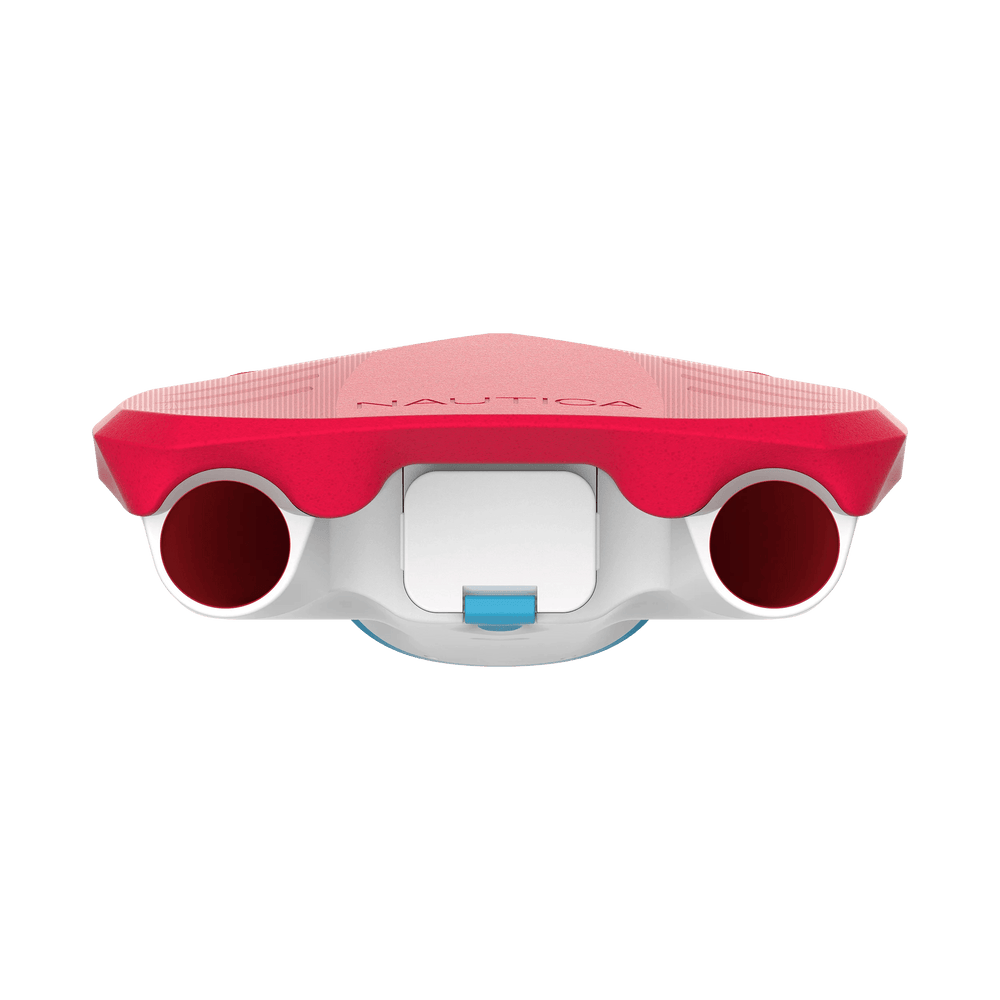

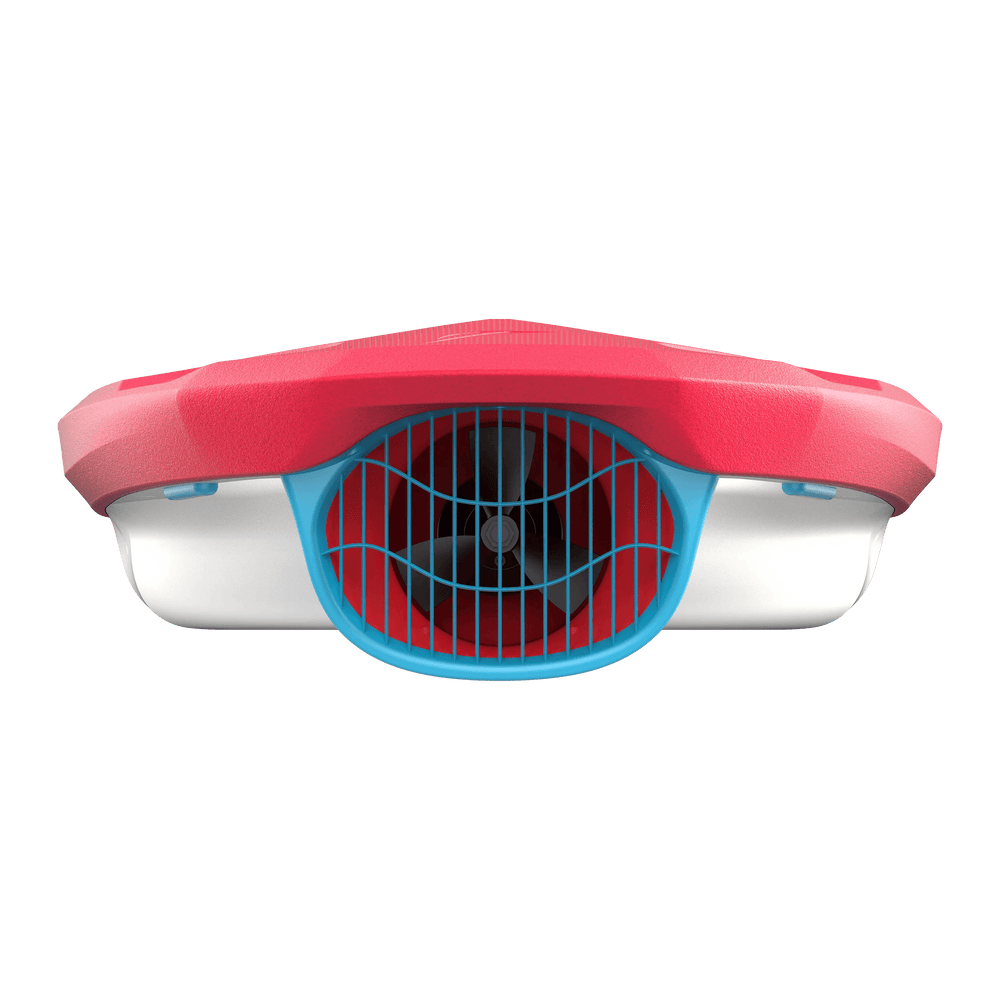

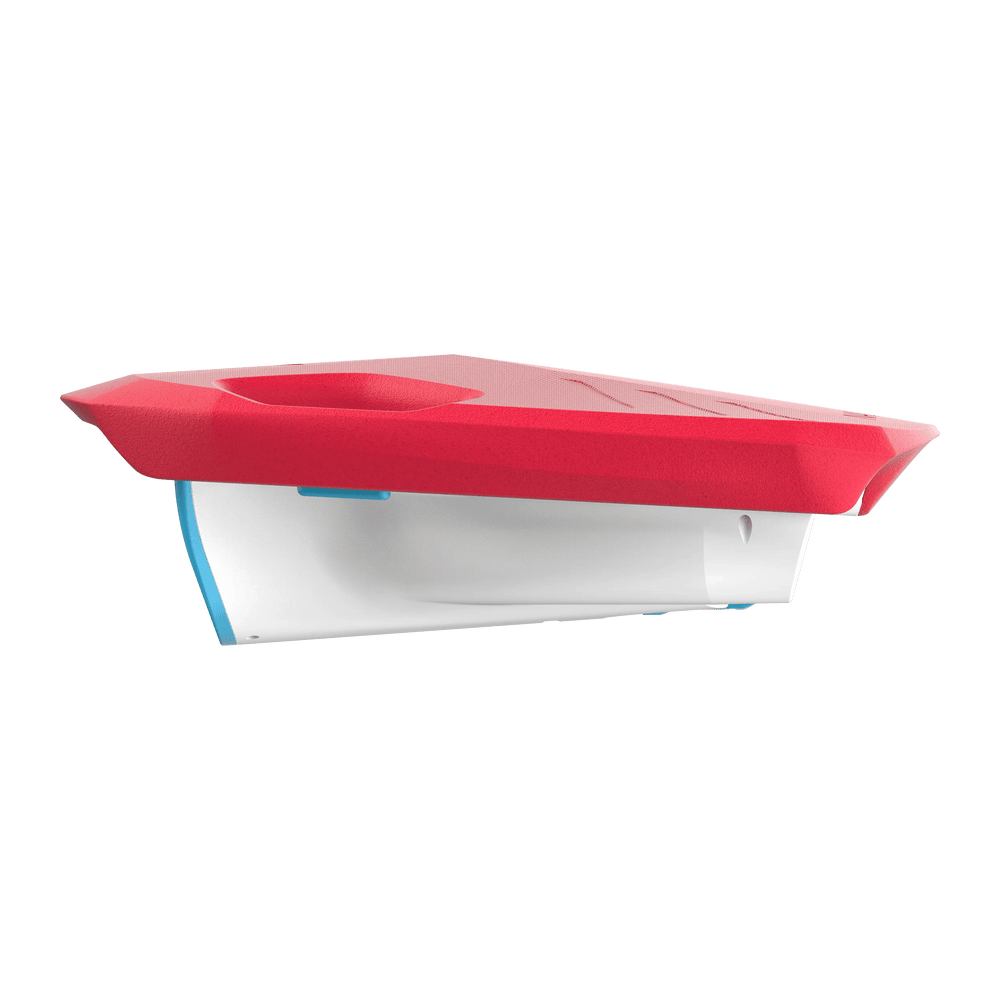
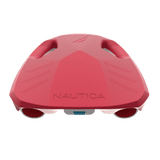

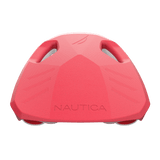
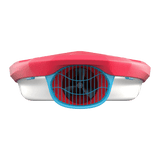
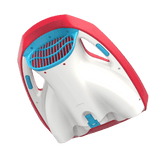
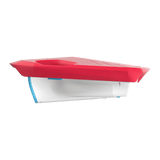


An underwater sea scooter—also known as a Diver Propulsion Vehicle (DPV)—is a streamlined, battery-powered watercraft designed to pull swimmers, snorkelers, and scuba divers effortlessly through the water. It uses an enclosed propeller system to provide thrust, allowing you to explore marine life without exhausting your energy.
Absolutely. A sea scooter is highly worth it if you want to maximize your time in the water. By cutting down swimming fatigue, it allows you to cover up to 3x more distance, conserve your air tank (for divers), and safely navigate ocean currents. It transforms a standard snorkeling session into a high-powered underwater adventure.
Battery life and depth capacity vary based on your specific model and speed settings, but you can typically expect between 40 to 120 minutes of continuous run time on a single charge. When it comes to depth capacity, family-friendly or kids' models like the Nautica Skipper or Guppy are safely rated for shallow waters up to 15 feet, while high-end professional ocean models can safely plunge all the way down to 130 feet (40 meters).
While sea scooters are incredibly fun, the main things to consider are their weight on land and basic maintenance needs. Because of high-capacity marine batteries, these units can feel heavy out of the water, but premium sea scooters feature engineered buoyancy systems that make them feel practically weightless and highly maneuverable once submerged. Additionally, while saltwater can cause crystallization if left unrinsed, this is easily handled by simply rinsing the unit with fresh water after every use to ensure long-lasting performance.
Yes, military elite forces like the Navy SEALs use highly specialized, tactical Diver Propulsion Vehicles (DPVs) for stealth operations over long distances. While consumer sea scooters are built for recreation, they utilize the exact same hydrodynamic principles to provide smooth, reliable underwater propulsion.