


Preparing Your Boat for Winter: Essential Products and Tips
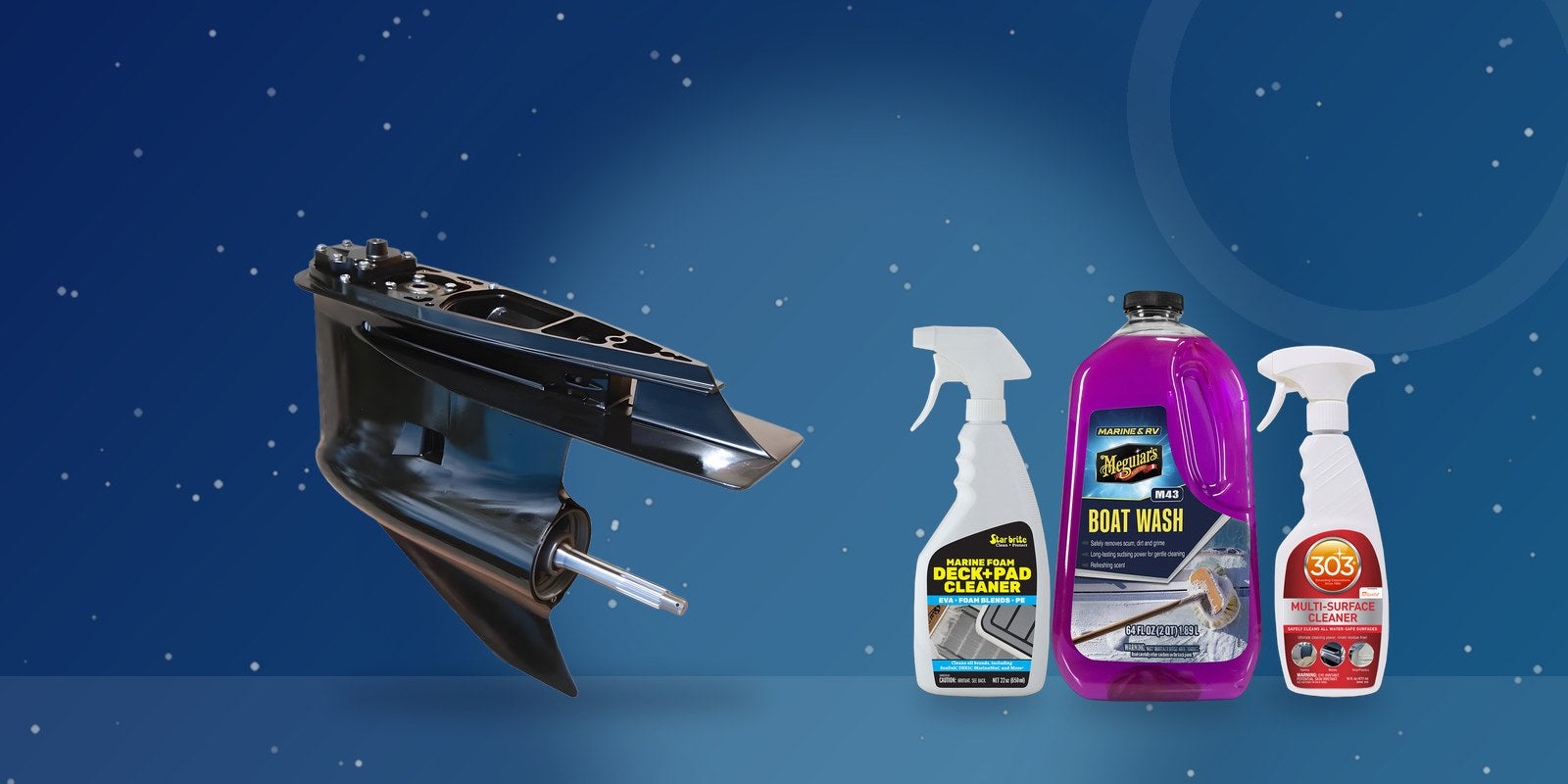
Freezing temperatures, moisture and months of sitting idle are hard on a boat. Water left in an engine block can freeze and crack it, untreated fuel can gum up the fuel system, and a damp, covered boat can grow mildew. The good news: proper boat winterization prevents almost all of it and makes spring launch quick and easy.
This guide explains how to winterize a boat step by step, the essential winterization products you'll need, and a printable boat winterization checklist. Every engine is different, so always follow the procedure in your owner's manual.
Winterization steps at a glance
- Wash, clean and inspect
- Stabilize the fuel
- Change the engine oil
- Change the lower unit gear oil
- Flush and drain the cooling system
- Fog the engine
- Grease and protect metal parts
- Winterize plumbing and water systems
- Take care of the batteries
- Cover, ventilate and store
When should you winterize your boat?
Winterize before the first hard freeze in your area, not after. Even one night below freezing can damage an engine that still has water in it. If you plan to keep boating into late fall, have your supplies ready so you can winterize quickly after your last trip. Boaters in warm climates who use their boat year-round still benefit from many of these steps if the boat will sit unused for more than a month or two.
How to winterize a boat: step by step
01Wash, clean and inspect the boat
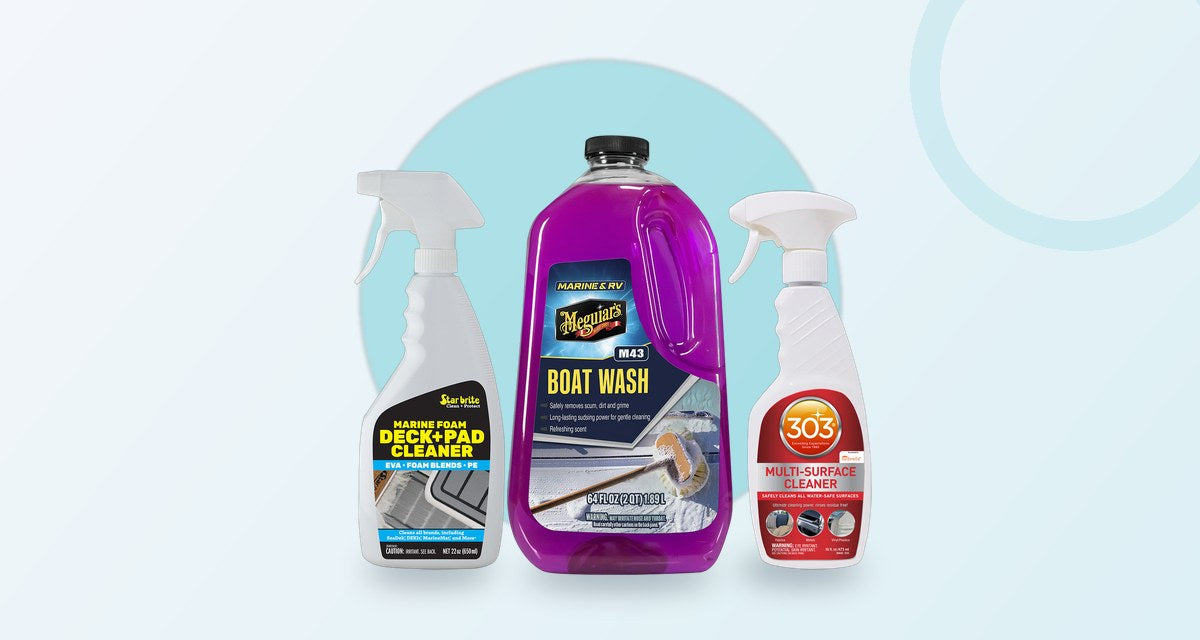
Start with a clean boat. Dirt, salt and grime left on over winter can stain gelcoat and encourage mildew, and a clean hull makes it easier to spot cracks, blisters and damage that need repair before spring.
- Wash the hull, deck and topsides with a marine boat wash
- Remove waterline stains and scum lines with a fiberglass-safe stain remover
- Clean and dry the bilge so no oily water sits over winter
- Inspect the hull, propeller and trim tabs for damage
02Stabilize the fuel
Gasoline can break down during storage, leaving varnish and gum that clog carburetors and fuel injectors. Ethanol-blended fuel can also absorb moisture.
- Add a marine fuel stabilizer at the dose on the label
- Run the engine for several minutes so treated fuel reaches the whole fuel system
- Follow your engine manufacturer's advice on whether to store the tank full or nearly empty; many recommend a nearly full tank to reduce condensation
- Replace or service the fuel-water separator filter if your boat has one
03Change the engine oil and filter
Used oil contains acids and contaminants that can damage internal engine parts while the boat sits. Changing it before storage is easier on the engine than waiting until spring.
- Warm the engine first so the old oil drains more completely
- Replace the oil filter
- Use the oil type your engine manufacturer specifies
- 4-stroke outboards, sterndrives and inboards all need this step
04Change the lower unit gear oil
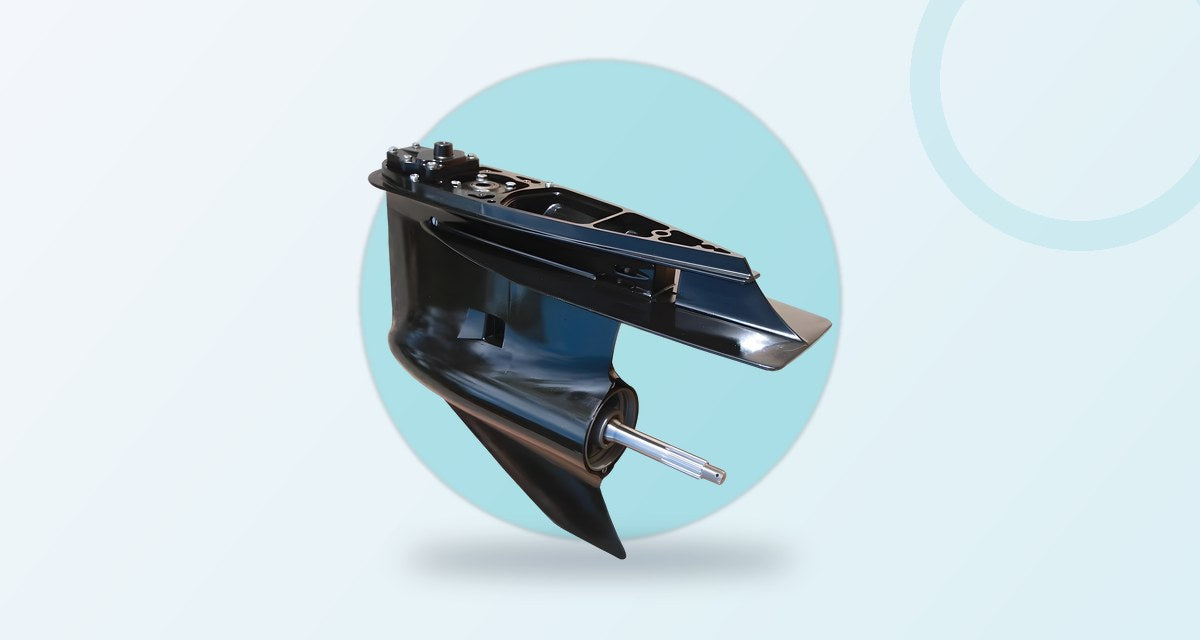
Water in the gearcase can freeze, expand and crack the housing. Fresh gear lube protects the gears and bearings over winter, and the old oil tells you a lot about the condition of the lower unit.
- Drain the gear oil and check it: milky oil means water is getting in, and metal flakes point to wear
- Refill from the bottom drain hole until oil flows from the top vent hole
- Replace the drain and vent screw gaskets
- If you find water or metal, have the seals or lower unit checked before spring
05Flush and drain the cooling system
Water trapped in the engine's cooling passages can freeze and crack the block, manifolds or other parts. This is the most expensive winterization mistake.
- Outboards: flush with fresh water, then let the engine drain fully in the vertical (down) position
- Sterndrives and inboards: drain the block and manifolds, or fill the system with marine (propylene glycol) antifreeze, following your engine manual
- Never use automotive (ethylene glycol) antifreeze in the raw-water system
- Saltwater boaters should always flush with fresh water first
06Fog the engine
Fogging oil coats the inside of the cylinders and protects them from rust and corrosion during storage.
- Spray marine fogging oil into the air intake while the engine runs, or into each cylinder through the spark plug holes, as your manual directs
- Many fuel-injected engines have a specific procedure, so check your owner's manual
- Replace spark plugs now or in spring
07Grease fittings and protect metal parts
Fresh grease pushes out moisture and keeps moving parts working when you launch again.
- Grease steering, tilt and trim fittings, and the propeller shaft (remove the prop first)
- Inspect and replace sacrificial anodes that are worn
- Spray exposed metal with a corrosion inhibitor
08Winterize the plumbing and water systems
Any water left in freshwater tanks, heads, sinks, washdown pumps or livewells can freeze and split hoses and fittings.
- Drain freshwater tanks and lines
- Pump non-toxic RV/marine antifreeze through sinks, showers, heads and washdowns
- Drain livewells and baitwells and leave the valves open
- Pump out the holding tank
09Take care of the batteries
Batteries slowly discharge over winter, and a discharged battery can freeze and fail.
- Fully charge each battery before storage
- Disconnect the cables, or remove the batteries and store them somewhere cool and dry
- Use a maintenance charger (battery tender) during storage
- Clean the terminals and apply a protective coating
10Cover, ventilate and store the boat
A good cover keeps out snow, rain, leaves and UV, and ventilation prevents mildew underneath.
- Use a fitted boat cover or shrink wrap with vents
- Support the cover so snow and water can't pool
- Prop open lockers, hatches and the bilge; consider moisture absorbers in the cabin
- Remove electronics, cushions and valuables if the boat is stored outdoors
- Check tire pressure and wheel bearings if the boat stays on its trailer
Essential boat winterization products
Gather these supplies before you start so you can finish in one session:
Fuel stabilizer
Prevents fuel breakdown and varnish
Fogging oil
Protects cylinders from corrosion
Engine oil and filter
Fresh oil for storage
Lower unit gear lube
Plus new drain and vent screw gaskets
Marine antifreeze
Non-toxic propylene glycol for engines and plumbing
Marine grease
For steering, tilt and prop shaft
Corrosion inhibitor
Protects exposed metal
Battery maintainer
Keeps batteries healthy all winter
Boat wash and wax
Clean and protect before storage
Mildew prevention
Moisture absorbers and vent supports
Boat cover or shrink wrap
Keeps out snow, rain and UV
Spark plugs and anodes
Replace worn parts now
Find stabilizers, cleaners and protectants in our winterization supplies and boat cleaning & care collections.
Outboard vs sterndrive vs inboard: what's different?
| Engine type | Key winterization differences |
|---|---|
| Outboard | Cooling water usually drains when the engine is stored vertically. Focus on fuel, fogging, lower unit gear oil, and (on 4-strokes) engine oil. |
| Sterndrive | Drain or antifreeze the engine block and manifolds, change engine oil and drive gear lube, inspect bellows, gimbal bearing and U-joints. See our MerCruiser sterndrive guides. |
| Inboard | Drain or antifreeze the cooling system, change engine and transmission fluids, and protect the shaft, strut and rudder. |
✓ Boat winterization checklist
- Boat washed, cleaned and inspected; bilge dry
- Fuel stabilizer added and run through the system
- Engine oil and filter changed
- Lower unit / drive gear oil changed and checked
- Cooling system flushed and drained or filled with marine antifreeze
- Engine fogged
- Fittings greased, anodes checked, metal protected
- Water systems drained and protected with non-toxic antifreeze
- Batteries charged and disconnected or on a maintainer
- Boat covered or shrink-wrapped with ventilation
- Trailer tires and bearings checked
Boat winterization FAQ
How do I winterize my boat myself?
Clean the boat, stabilize the fuel, change the engine oil and lower unit gear oil, flush and drain the cooling system (or fill it with marine antifreeze), fog the engine, protect the plumbing and batteries, then cover and ventilate the boat. Your owner's manual has the exact procedure for your engine.
What happens if you don't winterize a boat?
Water left in the engine or drive can freeze and crack the block, manifolds or gearcase. Untreated fuel can leave varnish in the fuel system, batteries can discharge and freeze, and mildew can damage upholstery. Repairs often cost much more than winterizing.
Do I need to winterize an outboard motor?
Yes. Outboards usually drain their cooling water when stored upright, but they still need fuel stabilizer, fogging, fresh lower unit gear oil and, on 4-stroke engines, an oil and filter change.
What kind of antifreeze should I use in a boat?
Use non-toxic propylene glycol marine/RV antifreeze. Do not use automotive ethylene glycol antifreeze in the raw-water cooling system or plumbing, because it is toxic to people and aquatic life.
Should I store my boat with a full tank of fuel?
Many engine manufacturers recommend storing with a nearly full tank treated with stabilizer to reduce condensation, while leaving room for expansion. Follow your engine and boat manufacturer's guidance.
Need parts or advice for winter storage?
Found milky gear oil or a damaged lower unit while winterizing? Send us your engine model and serial number and our team will help you find the right replacement before spring.